
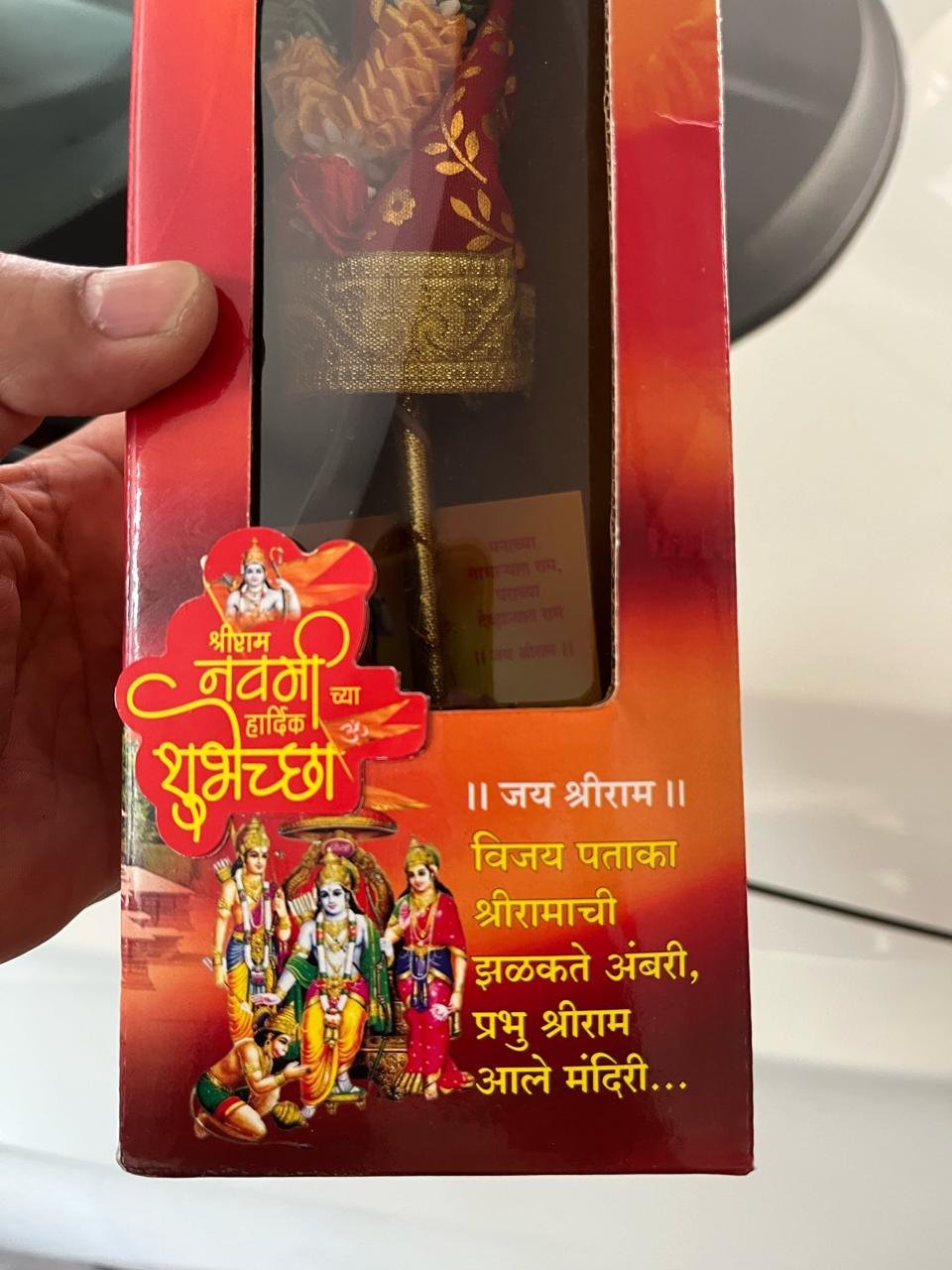
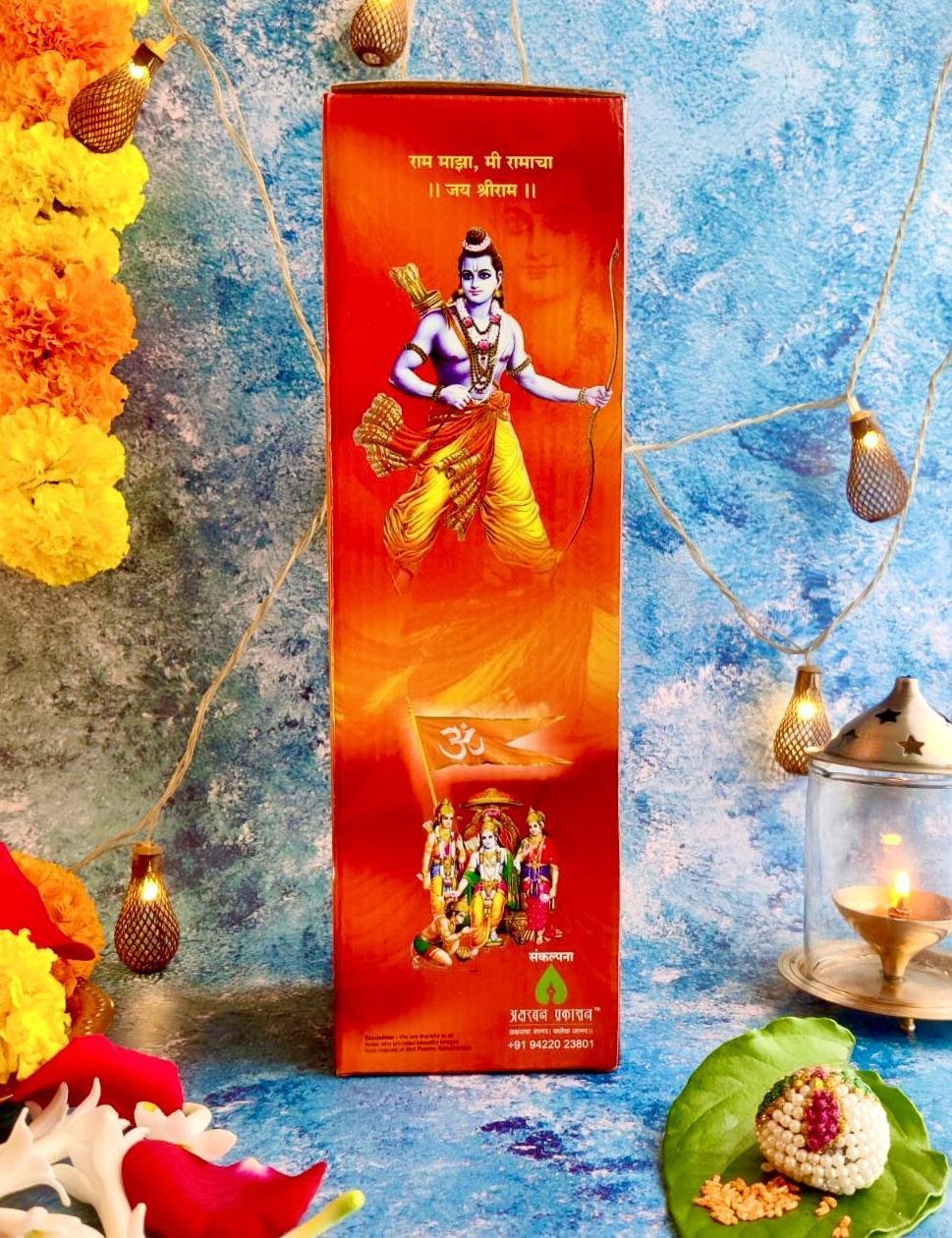
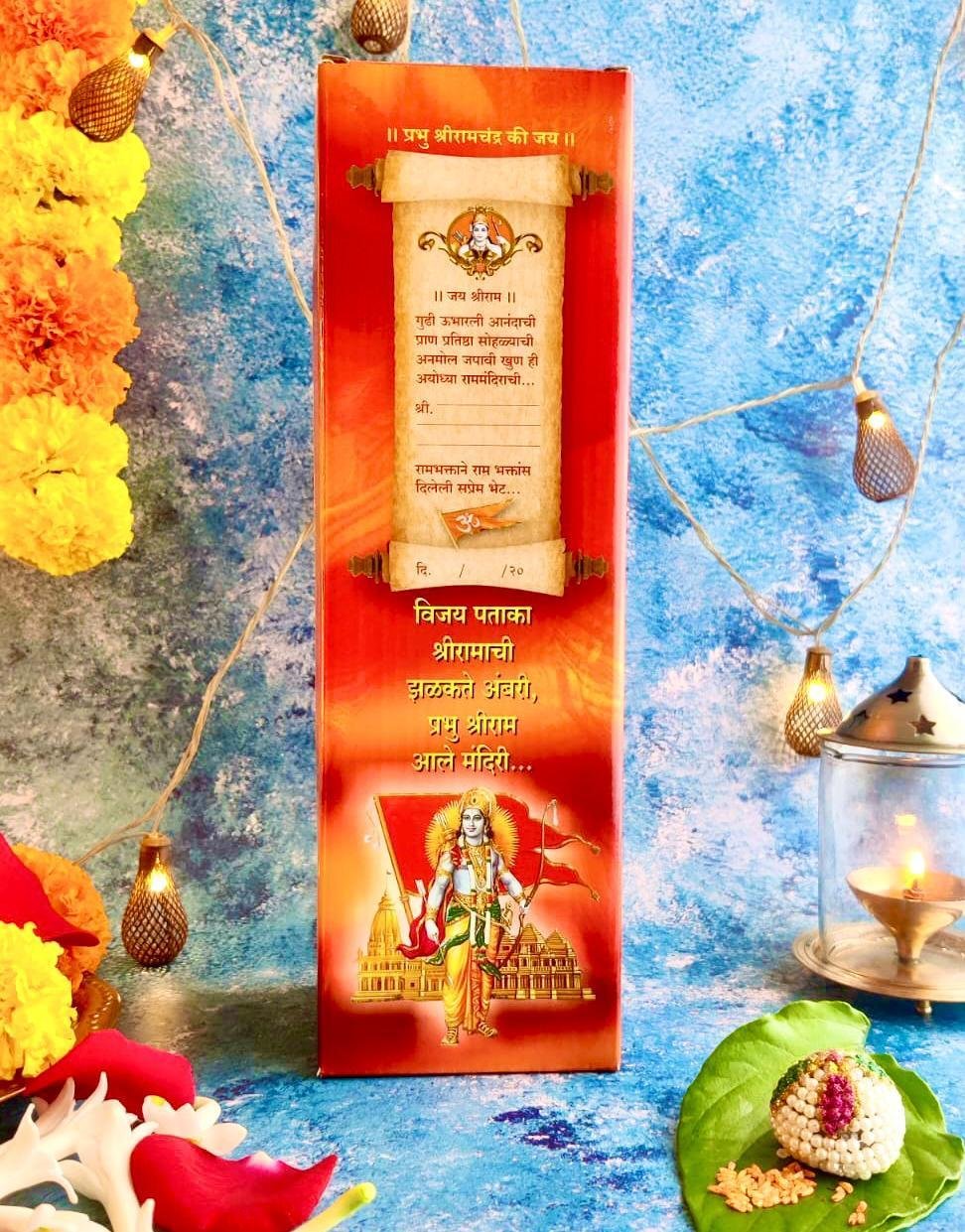
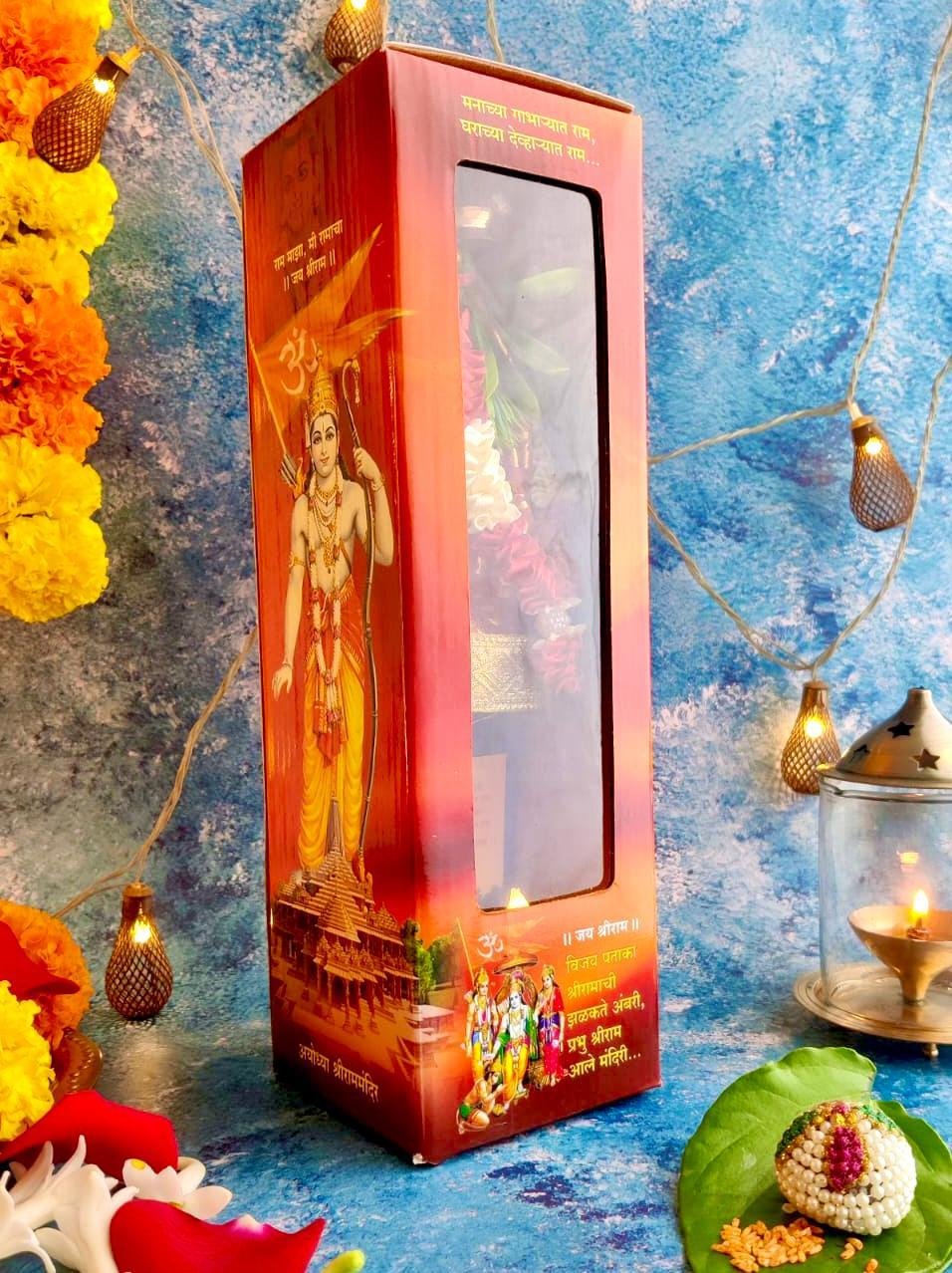
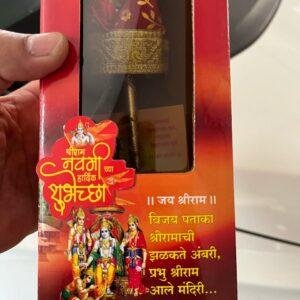
The Gudhi, a central symbol of Gudhi Padwa celebrations, holds significant cultural and religious importance in Maharashtra, India. Here’s a description of the Gudhi:
Appearance: The Gudhi typically consists of a long bamboo staff or pole, which is often brightly colored or painted in stripes of red and yellow. The top of the staff is adorned with various decorations.
Cloth: A piece of bright cloth, traditionally in shades of yellow or green, is tied to the top of the bamboo pole. This cloth is usually adorned with decorative patterns or embroidery.
Garland: A garland of flowers, usually made of marigolds, is draped around the cloth tied to the top of the Gudhi. Marigolds are considered auspicious and are commonly used in Indian festivals.
Symbolism: The Gudhi symbolizes victory, prosperity, and the triumph of good over evil. It is raised outside homes during Gudhi Padwa to welcome prosperity and good fortune into the household for the coming year.
Ritual: On the day of Gudhi Padwa, the Gudhi is erected outside the entrance of homes, typically facing towards the north or east direction. It is often placed on a raised platform or hung above the doorway. The Gudhi is then worshipped with prayers and offerings.
Significance: The Gudhi is believed to represent the victory of Lord Rama over the demon king Ravana, as well as the arrival of spring and the Hindu New Year. It is considered auspicious and is believed to bring blessings and prosperity to the household.
Tradition: The tradition of raising the Gudhi dates back centuries and is deeply rooted in Maharashtrian culture. It is an integral part of Gudhi Padwa celebrations and is accompanied by various rituals, feasting, and festivities.
Reviews
There are no reviews yet.